

Moving from Symptoms to Solution
Menopause doesn't need to be frightening. The first thing you need to know is that you are not alone. All women experience menopause, but each in a unique way. Through education and acceptance, transitioning through menopause can become one of the most normal stages in a woman's life.
 Menopause usually occurs between the ages of 50 and 52, but some women begin experiencing it as early as 35 and even as late as 60. There is no clear-cut age when it will start, nor how long it will last.
There are 3 stages of menopause, and this whole process lasts about 15 years.
Stage One
The first stage is known as perimenopause, signified by irregular periods and spotting due to the fluctuation of hormones in the body. During this time, eggs are still being released from the ovaries, though ovulation will be sporadic.
Perimenopause usually lasts 2-5 years, but it can differ with each woman. During this time, the fluctuation of the hormones can cause symptoms like hot flashes, night sweats, and increased irritability.
Stage Two
During the second stage, women will no longer experience any menstruation. This usually occurs in women 50 years or older. A woman is considered to be in menopause if menstruation is absent for 12 consecutive months.
During this time, estrogen levels will decline, and the body will stop producing progesterone. Common symptoms are hot flashes, headaches, and mood swings that can be unbearable for the sufferer and the rest of the family.
Stage Three
The third and final stage is known as postmenopause. During this time the symptoms of menopause disappear, thus no more hot flashes, mood swings, and sometimes unbearable headaches, so your family can live with you again.
Transitioning
Probably one of the most important steps you can take in the fight against menopausal symptoms is to be mentally prepared for the challenges that lie ahead. This means that you need to know as much as possible about this time in your life, but without becoming overly preoccupied with it.
Fighting Symptoms Naturally
Food containing plant estrogens has been shown to help control cholesterol and alleviate some menopausal symptoms. This is the best remedy to relieve menopause symptoms and help you lead a fulfilling life naturally.
The following foods are known to contain plant estrogens: flaxseed oil, nuts, celery, parsley, lima beans, and soy products. Consuming a well-balanced diet with all of these estrogen-rich foods will undoubtedly ease the menopause period.
Exercise regularly
There is a saying that says a healthy body houses a healthy spirit, and that is so true. A proper diet and regular exercise are essential to ease the menopause period. The other side of the coin is that a lack of exercise will increase the menopausal symptoms as well as the intensity of the menopausal symptoms. A lack of exercise also carries the risk of weight gain, osteoporosis, and cardiovascular problems.
Where are you in your cycle?
The Canary AdvancedPlus Hormone Panel offers a comprehensive evaluation of your thyroid, reproductive, and adrenal hormones, as well as your vitamin D levels. Hormonal symptoms often overlap with one another, so a comprehensive evaluation of your overall hormonal profile is crucial in diagnosing the underlying issues.
The adrenal gland helps the body regulate its stress response by synthesizing corticosteroids and catecholamines, including cortisol and epinephrine (also known as adrenaline). The reproductive glands (testes and ovaries) produce hormones (testosterone and estrogen) that are critical to regulating mood, energy levels, and metabolism.
Vitamin D is a crucial component in maintaining bone density, which naturally decreases with age.
We have just discussed a few very important steps to alleviate your menopausal symptoms, although there are many more ways to support you in this process. There are specific things to do that can help alleviate each symptom, and there are herbs, medications, and natural remedies that may eliminate all the symptoms.
Our Canary Club home test kits will help you transition from menopause symptoms to solutions, making this inevitable stage in your life more manageable.
Canary Club has a wide variety of at-home hormone and neurotransmitter tests from which to choose. These can indicate imbalances that cause or exacerbate chronic anxiety. This information is a great first step on the path to long-term well-being. Here is a short list of recommended tests: Canary Club is the place where you can come to better understand your condition, whether it is mild, moderate, or severe. Our goal is to help you find the information you need in order to effectively manage stress and live a more vibrant and vital life.
ZRT Advanced Saliva Profile
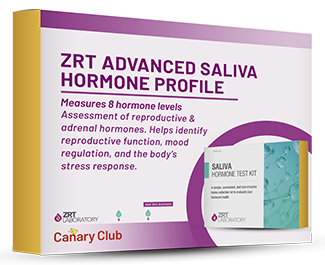 See our ZRT Advanced Saliva Profile to check your adrenal and reproductive hormone levels.
The Advanced Saliva Test Kit Includes:
- Estradiol (E2), progesterone (Pg), and testosterone (T)—known as the three major sex steroid hormones,
- Adrenal Hormones:
- DHEA-S (DS), and
- Diurnal cortisol (sampled 4x), showing your full daily cortisol cycle.
The Canary Club Advanced Saliva Hormone Profile is also known as the ZRT Saliva Profile III.