

Traumatic brain injury or head trauma can cause pituitary hormone deficiency.
Recent studies indicate “that one or more pituitary hormones may be affected by traumatic brain injury or...
subarachnoid hemorrhage,” according to Flora Hammond, M.D., and Rhona Shapiro, R.N., M.S.N.
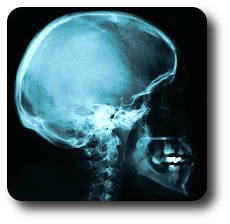 What is the pituitary?
The pituitary is a small gland located at the base of the brain. Pituitary hormones regulate other hormones, which are chemical “messengers” that hone in on vital organs and functions.

Diagnosing hormone deficiency can be a challenge due to the similarity between symptoms of a deficiency and the effects of head trauma. Often patients do not recognize the signs of pituitary hormone deficiency until they undergo specific tests to determine hormone levels.
Those with mild brain trauma are less likely to suffer from pituitary hormone deficiency than those who have moderate to severe brain injury. It is important to note that problems can result even years after the actual injury. The hypothalamus, pituitary gland, and blood supply function may have suffered damage, resulting in pituitary hormone problems.
Signs of Pituitary Hormone Deficiency
When the pituitary gland is experiencing a deficiency of one or more regulating hormones, the following may occur:
• fatigue, weakness, depression, irritability, impaired memory, reduced libido.
Hypopituitarism, a condition caused by a damaged pituitary gland, means that there is a deficiency in one or more of the pituitary hormones produced.
Thyroid-stimulating hormone deficiency may result in:
• lethargy
• decreased appetite
• slowed growth or metabolism
• reduced energy or memory
• numbness in extremities
• dry skin or hair
• muscle aches
• altered mood
• failure to thrive
Adrenocortical stimulating hormone deficiency is associated with:
• fatigue, weakness
• weight loss
• decreased bone mass
• reduced exercise capacity
• increased body fat
• electrolyte abnormalities
• low blood pressure
Growth hormone deficiency may cause:
• fatigue
• depression
• decreased bone density
• decreased muscle mass
• increased fat around the waist
• high cholesterol levels

Sex hormone deficiency in males is linked to:
• decreased sperm production
• decreased sex drive
• loss of facial hair growth
• decreased muscle mass
• decreased energy
Sex hormone deficiency in females may contribute to:
• amenorrhea
• infertility
• decreased muscle mass
• decreased energy
Determine if there is too much or too little hormone production and deduce the cause and level of severity of the condition.
Canary Club AdvancedPlus Profile
This innovative combination is recommended by Dr. Richard Shames, MD, who is a specialist in endocrinology hormones. Dr. Richard Shames practices as a consulting physician and personal health coach, focusing on thyroid and adrenal disorders and their many related conditions, and offers a more cost-effective assessment of the major hormones produced by the thyroid, adrenal, and gonad glands, along with an evaluation of vitamin D levels. This consolidated approach streamlines the testing process, offering greater value.
- Sex steroid hormones (in saliva): Estradiol (E2), Progesterone (Pg), and Testosterone (T)
- Adrenal Hormones (in saliva): DHEA-S (DS), Diurnal Cortisol (sampled 4x to show your full daily cortisol cycle)
- Thyroid hormones (in blood spot): TSH, fT3, fT4, TPOab
- Vitamin D (in blood spot): 25-OH, Total (D2, D3)
Your Hormone Management Testing Plan
- Step 1: Start by selecting and ordering your desired test(s). You will receive an at-home testing kit that fits your unique concerns and needs. No prescription or visit to the doctor’s office is required. Your test kit is delivered directly to your front door.
- Step 2: Take the test to establish the starting hormone baseline at the beginning of your plan. Consider developing your plan alongside:
- a licensed health care provider for medical conditions, especially for severe "out of normal range" results
- or a Health Care Coach for nutrition and supplements that will support your desired results
- Step 3: Develop a plan based on your hormone test results, establishing a one-year or more outlook.
- Keep logs of your intakes, and daily routines related to your hormone test results.
- Keep logs of your intakes, and daily routines related to your hormone test results.
- Step 4: After 6-12 months of actively working on your plan, take the same test again to determine your progress.
Jennifer Cebulak
Research Editor
References
http://www.lapublishing.com/blog/2009/traumatic-brain-injury-pituitary-hormones/