
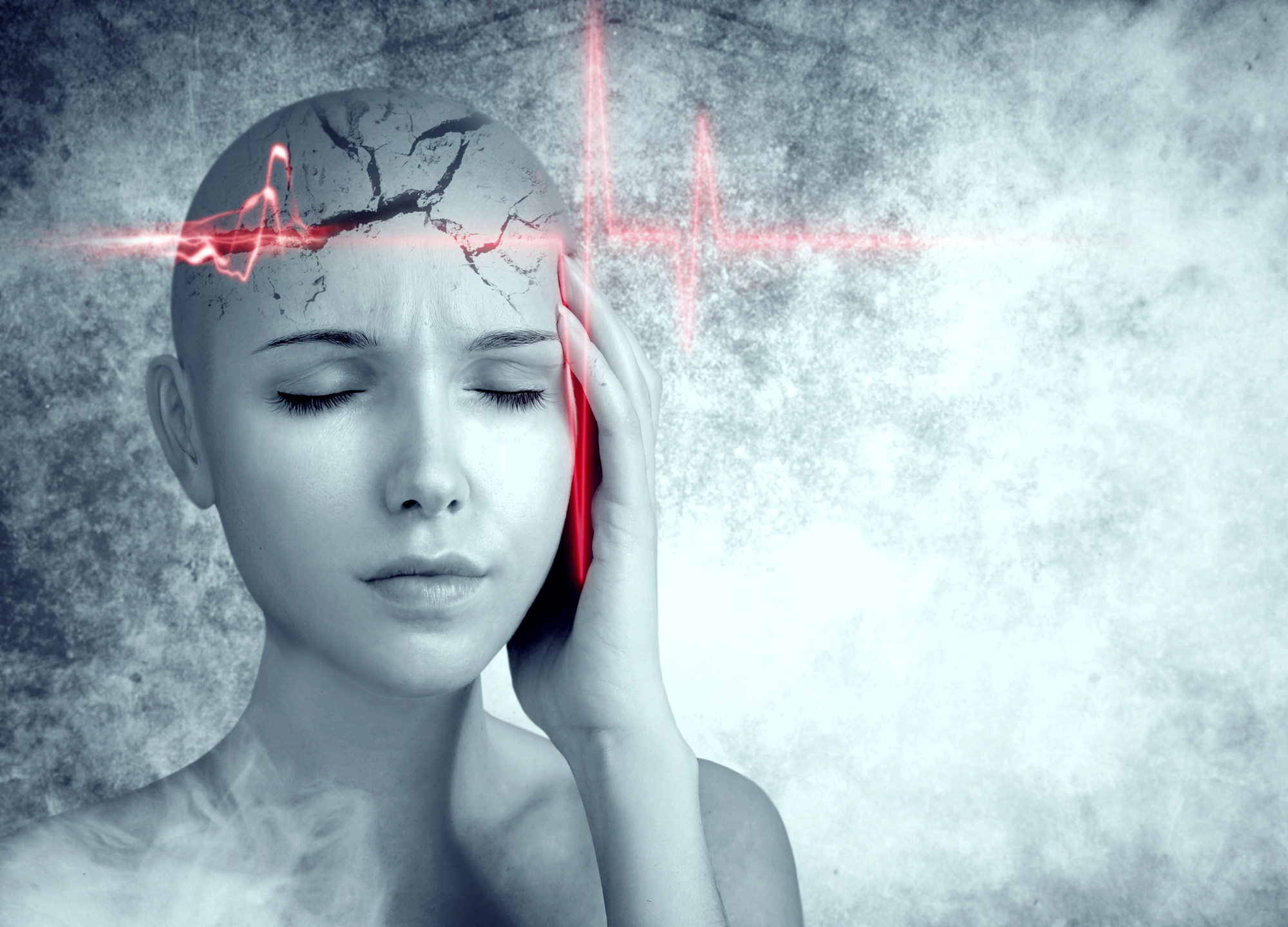
Every year over 300,000 Americans incur an impact to their head—damaging vital tissues of the brain.
And unlike the quick recovery of a bruise or a cut to a leg or arm, our brains do not have the ability to recover as quickly—and certainly not as effectively.
 When we "bruise" tissue in the brain, evolution made trade-offs that prevent the brain from recovering as effectively as all other blood-engorged organs and tissues of our body. We know these disorders, like Alzheimer's and post-traumatic stress disorder (PTSD), are common among returning war soldiers, survivors of car accidents, and sports injuries to the head (from football, baseball, rugby, etc.). Infant children with major trauma to the brain can suffer a few years later as they approach elementary school with stunted physical growth of their bodies and regressed development of their intelligence.
The healing properties of our skin and muscles are extraordinary. Within about 30 days, any damage to most areas of the body is in full recovery and regenerating. Not true of our brains. Our brains are encased in a fortress of bone—that was nature's way of giving our brains protection while not having to complicate the design with regenerative properties like our skin.
By not evolving regenerative and recovery functions for the brain, nature was able to accelerate our evolution of intelligence, memory, and language. The skull acts as a hard defense shield against common daily injuries. When we contrast the "hard skull" defense of our brain to our "easily cut skin," we begin to understand the trade-off. That trade-off is the key to understanding why our fast-paced society is suffering a large number of brain dysfunctions today. Brain traumas are the central focus of many dozens of research labs, medical communities, and brain trauma survivors.
The brain is comprised of over 20 specialized regions of organelles. When our head is given a blunt impact against a wall, floor, or asphalt freeway, these organelles can "liquify," and the tissue becomes damaged. Within weeks, these areas of the brain slightly harden, change color, and never improve. The consequence can begin to affect their life within weeks or lay dormant for decades.
Two of these brain organelles are the hippocampus and pituitary glands. They serve as the vital "masters" of our endocrine system, governing every aspect of our growth, metabolic rate, libido, interest in living, our sense of meaning, and the health of our organs, skeleton, muscles, skin, teeth, hair, and nails. When our brain is injured, these endocrine glands are often injured. The effect is the production of fewer hormones in our body. Several hundred different conditions can occur as a result of underproduction of hormones.
Today a simple, comprehensive hormone test can help your practitioner determine if your symptoms are the result of an old war injury, a motorcycle accident, or adolescent tackle football. The hormone test kit is delivered to your home; you send your saliva and finger-prick blood-spot kit to the lab, and the results are privately emailed to you within 3-5 business days.
Brain injuries occur for tens of thousands of soldiers from wars caught in sudden exploding grenades and land mines. Are your hormones still at war, struggling to survive years later because of a trauma to your brain?
Canary Club AdvancedPlus Profile
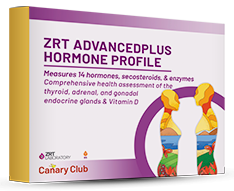
This innovative combination is recommended by Dr. Richard Shames, MD, who is a specialist in endocrinology hormones. Dr. Richard Shames practices as a consulting physician and personal health coach, focusing on thyroid and adrenal disorders and their many related conditions, and offers a more cost-effective assessment of the major hormones produced by the thyroid, adrenal, and gonad glands, along with an evaluation of vitamin D levels. This consolidated approach streamlines the testing process, offering greater value.
- Sex steroid hormones (in saliva): Estradiol (E2), Progesterone (Pg), and Testosterone (T)
- Adrenal Hormones (in saliva): DHEA-S (DS), Diurnal Cortisol (sampled 4x to show your full daily cortisol cycle)
- Thyroid hormones (in blood spot): TSH, fT3, fT4, TPOab
- Vitamin D (in blood spot): 25-OH, Total (D2, D3)
Your Hormone Management Testing Plan
- Step 1: Start by selecting and ordering your desired test(s). You will receive an at-home testing kit that fits your unique concerns and needs. No prescription or visit to the doctor’s office is required. Your test kit is delivered directly to your front door.
- Step 2: Take the test to establish the starting hormone baseline at the beginning of your plan. Consider developing your plan alongside:
- a licensed health care provider for medical conditions, especially for severe "out of normal range" results
- or a Health Care Coach for nutrition and supplements that will support your desired results
- Step 3: Develop a plan based on your hormone test results, establishing a one-year or more outlook.
- Keep logs of your intakes, and daily routines related to your hormone test results.
- Keep logs of your intakes, and daily routines related to your hormone test results.
- Step 4: After 6-12 months of actively working on your plan, take the same test again to determine your progress.
- by James Dickson