

Forget the detox teas and “miracle” hacks
Social media apps, such as TikTok, know Gen Z women are interested in health, fitness, and aesthetics—so their algorithms feed endless “hacks” that promise to control hormones: seed cycling, detox teas, and miracle supplements. The problem? Most of these trends are not backed by solid science. They often overpromise and underdeliver, especially when it comes to hormone health.
Hormone testing provides clarity. Lab-based hormone testing (under CLIA standards) shows whether levels are high, low, or within expected ranges for your age and cycle. That knowledge lets you understand why your body is reacting a certain way.
Your hormones aren’t a math problem to solve. They’re meant to ebb, flow, and vibe with your lifestyle. The real game-changer? How you eat, sleep, and manage stress.
Don’t Believe Every TikTok Hack on “Hormone Balancing."
Gen Z is curious, proactive, and skeptical about health—but often bombarded with mixed messages.
For women in their late teens and twenties, hormones naturally fluctuate with menstrual cycles, stress, sleep, and nutrition. These ups and downs affect energy, metabolism, mood, and recovery. That’s why it’s so easy to market “balancing hacks.”
Here’s the real deal:
- Hormones affect performance and results. Estrogen, progesterone, testosterone, and thyroid hormones all influence metabolism, muscle building, fat storage, and recovery.
- Symptoms matter. If you’re dealing with irregular cycles, extreme fatigue, stubborn weight changes, or mood swings, those are signs your hormones may not be working optimally.
- Testing provides clarity. Lab-based hormone testing (under CLIA standards) shows whether levels are high, low, or within expected ranges for your age and cycle. That knowledge lets you understand why your body is reacting a certain way.
- Testing guides your goals. Instead of guessing with a supplement trend, you can align fitness, nutrition, and recovery plans with what your body actually needs. For example, knowing if low progesterone is linked to cycle issues or if thyroid hormone shifts explain why workouts feel harder.
So, the best message for Gen Z women is:
Don’t chase every TikTok hack. When symptoms are clear, testing your hormones gives you a blueprint for making smart, personalized choices. It’s not about “perfect balance”—it’s about understanding your body so you can fuel your workouts, reach fitness goals, and actually feel good along the way.
(As the Endocrine Society pointed out in 2023, hormones aren’t static—they’re dynamic messengers that need context, not quick fixes.)
Final Take From Hormones & Lifestyle
1. Hormonal Harmony, Not “Balance”
- Myth-busting: Hormones naturally fluctuate—menstrual cycles, stress, sleep, and nutrition all shift them.
- Balance ≠ static. Instead, think about harmony (how hormones work together).
- Everyday support:
- Prioritize quality sleep (7–9 hrs, screen cutoff time).
- Eat protein- and fiber-rich meals to support insulin and energy.
- Move your body regularly—yoga, strength training, or even walks count.
2. Stress, Hustle Culture & PMS
- Chronic stress = high cortisol = more painful or irregular periods.
- Gen Z is especially exposed to “grind” culture—school + jobs + side hustles.
- Tips:
- Schedule downtime like you would a meeting.
- Swap “just coffee” meals for real food (blood sugar stability helps hormones).
- Mindfulness, journaling, or even quick breathwork breaks lower cortisol.
3. Digital Wellness & Influencer Advice
- Many Gen Z women get health advice from TikTok and Insta.
- Problem: Lots of pseudoscience about seed cycling, detox teas, or supplements.
- Red flag checklist:
- Does it sound too good to be true?
- Is the source credible (a doctor, dietitian, or peer-reviewed source)?
- Is it pushing expensive “miracle” products?
4. Reproductive Choices & Hormones
- Growing trend: Gen Z questioning birth control pills, leaning toward natural tracking apps.
- Empowerment is great—but apps can be less reliable without proper guidance.
- Encourage informed choices:
- Talk to providers, not just peers.
- Learn about fertility awareness and medical options.
5. Lifestyle Habits That Support Hormones Long-Term
- Avoid smoking—it damages fertility, thyroid, and estrogen/progesterone balance.
- Eat colorful, whole foods—support gut health, which impacts estrogen metabolism.
- Strength training protects bones, regulates insulin, and boosts mood.
- Consistent sleep and stress care—the foundation for hormone harmony.
Gen Z’s Shifting Attitudes on Hormonal Health
While data is limited on shifting attitudes, one indicator is rising: progesterone testing is seeing a noteworthy take-up among Gen Z, reflecting increased awareness of conditions like PCOS and endometriosis.
Gen Z is reshaping how women approach hormones: curious, questioning, and community-driven.
Key: combine digital savvy with science-backed self-care.
“Instead of chasing perfect balance, focus on building habits that let your hormones—and your life—flow in harmony.”
ZRT Wellness Metrics Hormone Profile
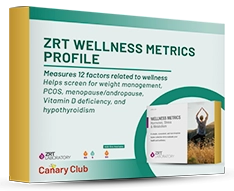
The Wellness Metrics Profile identifies specific imbalances of one or more hormones that govern key aspects of our health, contributing to immunity, mood changes, energy, libido, altered metabolism, increased body fat deposition, and food/sugar cravings, and includes tests identifying increased risks for cardiometabolic disease and diabetes.
The optional add-ons give a fuller picture when there are thyroid issues or symptoms of insulin resistance/metabolic syndrome.
The Wellness Metrics Profile Includes:
Fitness Metrics Profile – E2, Pg, T, DS, C, SHBG, TSH, Vitamin D, TG, CH, LDL, HDL & VLDL (blood spot)
Optional add-ons—fT3, fT4, TPOab, Insulin, HbA1c, hsCRP, LH (blood spot)
What are the effects of stress on overall well-being?
When stress is producing high levels of the hormone cortisol, it will change the levels of the sex steroid hormones estrone, estradiol, estriol, and progesterone. These symptoms can look like the following:
-
- Irregular or absent periods because your body is not ovulating
- Painful sex
- Mood swings, worse PMS
- Hot flashes
- Breast tenderness
- Increased headaches and migraines
- Weight gain
- Fatigue (see link for related article)
Your Hormone Management Testing Plan
- Step 1: Start by selecting and ordering your desired test(s). You will receive an at-home testing kit that fits your unique concerns and needs. No prescription or visit to the doctor’s office is required. Your test kit is delivered directly to your front door.
- Step 2: Take the test to establish the starting hormone baseline at the beginning of your plan. Consider developing your plan alongside:
- a licensed health care provider for medical conditions, especially for severe "out of normal range" results
- or a Health Care Coach for nutrition and supplements that will support your desired results
- Step 3: Develop a plan based on your hormone test results, establishing a one-year or more outlook.
- Keep logs of your intakes, and daily routines related to your hormone test results.
- Keep logs of your intakes, and daily routines related to your hormone test results.
- Step 4: After 6-12 months of actively working on your plan, take the same test again to determine your progress.
A recent feature in Women’s Health Magazine clarifies that the notion of “balancing hormones” is often misleading. Experts told Women’s Health that “balancing hormones” is an oversimplification: hormones naturally fluctuate with sleep, stress, and cycles. The goal is “hormonal harmony,” supported by sleep, stress management, exercise, nutrient-dense eating (fiber/protein), gut care, and—when appropriate—clinician-guided medications or supplements.
- “Our hormones fluctuate on purpose—they’re not meant to stay the same every day.” — Li-Shei Lin, MD. Women's Health
- “What we’re aiming for in medicine isn’t balance in a static sense, but ‘hormonal harmony’— ” — Rekha Kumar, MD. (i.e., where systems work smoothly and symptoms are manageable.) Women's Health
Soto, T. (2025, July 9). Hormone balancing isn’t what you think it is, according to doctors. Women’s Health. https://www.womenshealthmag.com/health/a65338861/guide-to-hormone-balancing/ Women's Health