

Mood swings are one of the most common symptoms of menopause.
Creating a rollercoaster of emotions for the women who suffer from them. If you are one of these individuals, there are some simple adjustments that you can make to alleviate the emotional rollercoaster caused by fluctuating hormones.
Additionally, these improvements will contribute to a healthier you, ultimately enhancing the overall quality of your life.
It is undoubtedly true that self-discipline is necessary to change behaviors and habits. Get mentally prepared as you challenge yourself to try a few healthy lifestyle changes to boost your mood. It’s best to start with natural ways of balancing mood swings and then progress toward alternative medicine, prescription drugs, or surgery if necessary.

Elizabeth Somer, R.D., and author of Food and Mood and Nutrition for Women, states that “certain foods or food combinations set off a series of chemical reactions in your brain that help determine whether you feel content, on one hand, or anxious or depressed on the other.”
- Eat foods known to boost serotonin levels, like wheat bran, peas, beans, and other complex carbohydrates.
- Eat foods high in protein and amino acids, such as fish, lean meats, and dairy products.
- Drink at least eight glasses of water each day—this is especially helpful for treating hot flashes.
- Avoid sugary foods—they can cause your mood to plummet.
- Limit caffeine intake—it's a stimulant that increases mood instability.
- Cut out sodium—for a healthier heart, reduce sodium intake.
- Increase your calcium intake to maintain healthy and strong bones and prevent osteoporosis.
- Practice controlled breathing and relaxation techniques to distract yourself from a mood swing.
- Exercise regularly—to improve self-image and reduce stress.
- Stretch or do yoga to promote mind/body balance.
- Spend time with family and friends to release healthy hormones that counteract mood imbalance.
If healthy lifestyle changes are not properly balancing your mood, it may be necessary to seek further treatment. Talk to your healthcare practitioner about safely treating mood swings with alternative medicines and therapies.
Test your hormone levels.
Canary Club AdvancedPlus Profile
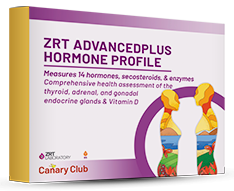
This innovative combination is recommended by Dr. Richard Shames, MD, who is a specialist in endocrinology hormones. Dr. Richard Shames practices as a consulting physician and personal health coach, focusing on thyroid and adrenal disorders and their many related conditions, and offers a more cost-effective assessment of the major hormones produced by the thyroid, adrenal, and gonad glands, along with an evaluation of vitamin D levels. This consolidated approach streamlines the testing process, offering greater value.
- Sex steroid hormones (in saliva): Estradiol (E2), Progesterone (Pg), and Testosterone (T)
- Adrenal Hormones (in saliva): DHEA-S (DS), Diurnal Cortisol (sampled 4x to show your full daily cortisol cycle)
- Thyroid hormones (in blood spot): TSH, fT3, fT4, TPOab
- Vitamin D (in blood spot): 25-OH, Total (D2, D3)
Jennifer Cebulak
Research Editor